
The first question most warehouse hunters ask is "how much is the rent?" But rent per square meter is only part of the cost. A cheap warehouse can cost you more in labor, transport and damaged stock. This article helps you compare properly.
What determines warehouse rent?
|
Factor |
How it affects price |
|
Location |
Near Bangkok, airports or ports usually costs more, but saves on transport |
|
Size |
Larger spaces usually get a better price per square meter |
|
Building specs |
Height, floor load, number of loading docks and fire systems |
|
Temperature control |
Chilled and frozen storage cost more than standard space |
|
Lease length |
Longer leases usually get better terms |
What hidden costs should you ask about?
- Deposit and advance rent
- Common area and building service fees
- Electricity, especially for cold storage
- Insurance for goods and building
- Fit-out costs and reinstatement at the end of the lease
- Equipment such as racking and forklifts, if not provided
Is automated warehouse rent really higher?
Total storage cost = rent + labor + equipment + utilities + losses from stock errors
With a conventional warehouse, rent covers only the empty space. You then pay separately for everything needed to run it: racking, forklifts and other material handling equipment (MHE), the staff to operate them, and maintenance.
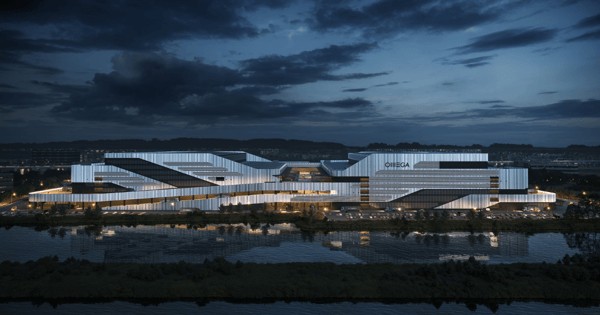
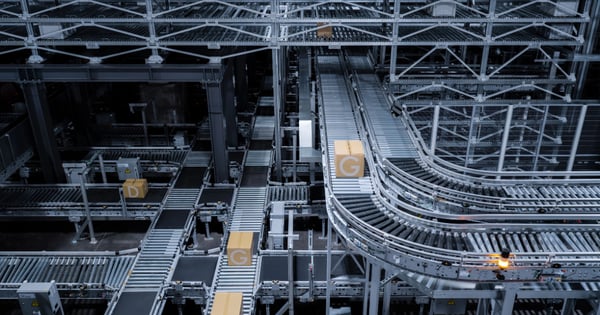
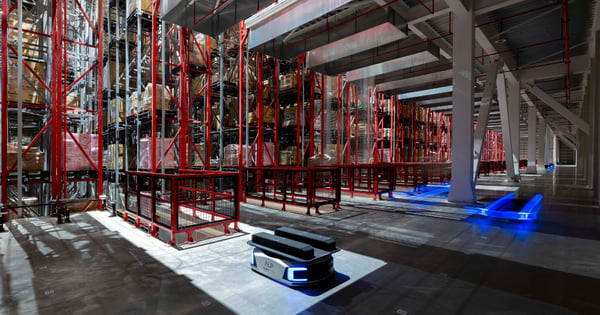
Take OMEGA 1 as an example. An automated warehouse lease there includes more than space: it also includes the ASRS automation equipment and pallet racking, already installed and maintained. That replaces many of the costs you would otherwise pay on top of rent:
|
Cost |
Conventional warehouse |
OMEGA 1 |
|
Warehouse space |
Included in rent |
Included in lease |
|
Pallet racking |
You buy and install it |
Included (ASRS) |
|
Forklifts and other MHE |
You buy or rent them |
Far fewer needed |
|
Labor for storing and retrieving pallets |
Many forklift drivers |
ASRS machines do the work |
|
Equipment maintenance |
You arrange and pay for it |
Supported by the on-site team |
|
Floor area |
Large area with wide forklift aisles |
Smaller unit, with pallets stored densely in the ASRS |
So when you compare rents, compare what each one includes. One OMEGA 1 tenant, a large retailer, cut costs by at least 8% compared with a conventional warehouse operation, through savings on space, racking, labor and material handling equipment.
Lease, build your own or lease automated: which is best?
There are three ways to set up your warehouse:
|
|
Lease a conventional warehouse |
Build your own automated warehouse (build-to-suit) |
Lease an automated warehouse (OMEGA 1) |
|
Upfront investment |
Racking and forklifts |
Very high: land, building and automation systems |
No racking or automation investment |
|
Rent or ownership cost |
Lower rent per sqm |
No rent, but depreciation and financing costs |
Lower total cost, with ASRS and racking included |
|
Pallets per sqm |
Fewer |
More |
More |
|
Labor |
High |
Low |
Low |
|
Stock accuracy |
Depends on people |
High |
High |
|
Time to start |
Fast |
Long (planning and construction) |
Fast; one tenant started within 2 weeks |
|
Flexibility |
Fixed space |
Fixed asset, hard to change |
Add pallet storage as you grow |
|
Automation know-how |
Not needed |
You need your own team |
Supported by the OMEGA 1 on-site team |
Building your own suits businesses that need a highly specialized system, plan to use it for many years and have the capital ready. For most others, leasing an automated warehouse gives the same benefits with far less upfront investment and risk.
When is a conventional warehouse still the better choice?
An automated warehouse isn't right for everyone. A conventional warehouse may suit you better if:
- You have low stock volumes
- Your goods don't fit a standard pallet because of their size or shape
Not sure which fits your business? Our team can compare both options using your own numbers.
The future is OMEGA
Ally Logistic Property (ALP) is setting a new benchmark in smart logistics infrastructure with OMEGA Logistics Infrastructure-As-A-Service. One-stop service for warehouse space, automation integration, and maintenance, ensuring you a seamless transition into the future of warehousing.
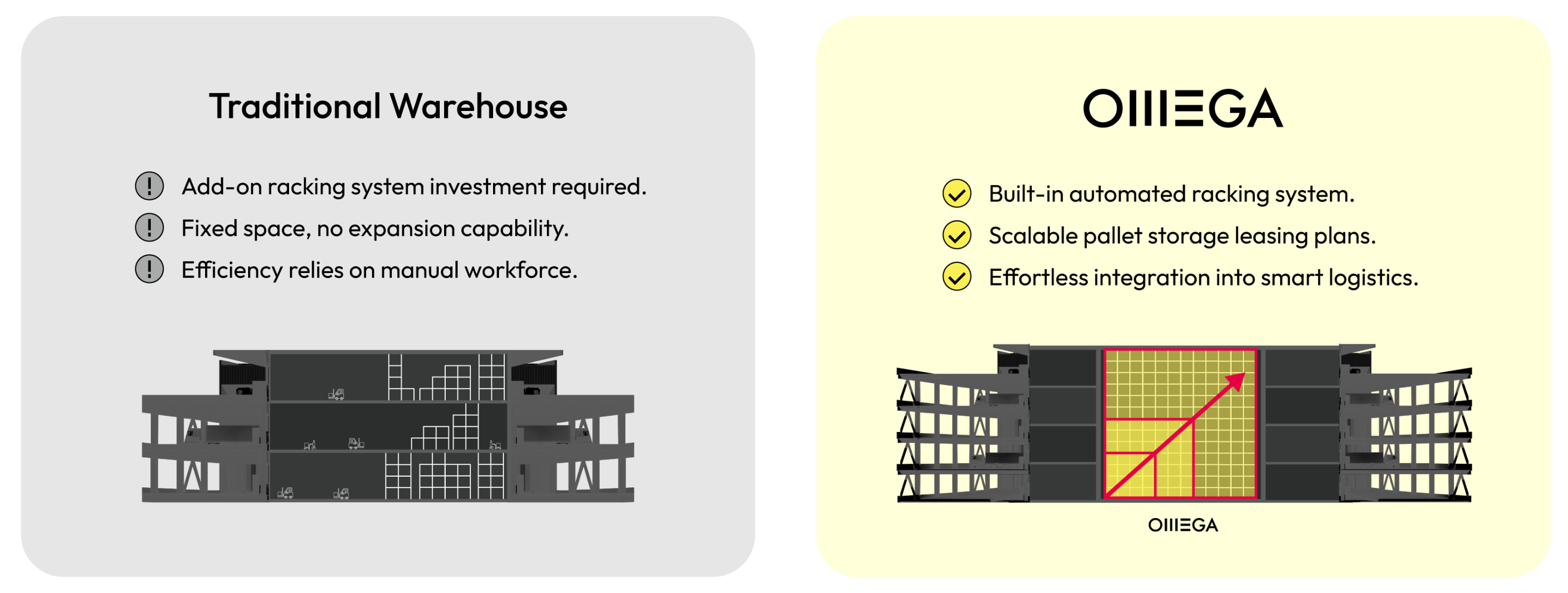 Traditional warehouse VS OMEGA
What should you check before renting a warehouse?
- How much space do you need now, and in 2–3 years?
- How often do goods move in and out, daily or monthly?
- Is the location close to customers, the port or the airport? [link to Blog 5]
- Building specs: height, floor load, loading docks and fire systems
- Is the lease flexible enough for growth?
- What does the rent include, and are there extra costs?
Frequently asked questions
Is automated warehouse rent higher than conventional warehouse rent?
Per square meter, ce yes. But at OMEGA 1 the lease also includes the ASRS and racking, which lowers your total cost. One tenant cut costs by at least 8% compared with a conventional warehouse operation.
What's included in an OMEGA 1 lease?
Your warehouse unit plus pallet storage in the ASRS, with the racking and automation equipment already installed and maintained.
What if I don't want to run the warehouse myself?
Contact us and we can introduce you to 3PL companies already operating at OMEGA 1. They can provide the operation services, while you still benefit from the ASRS.
Does OMEGA 1 offer short-term leases?
Yes. Short-term leases are available for peak seasons and temporary projects, with terms agreed case by case. Talk to our team for options.
How do I get a quote?
Tell us the space, pallet count and lease length you need, and our team will send you a quote. You can also drop your request here.
Request a quote
Tell us the space, pallet count, product type and lease length you need, and our team will send you a quote and a cost comparison with your current operation. Learn more about OMEGA 1.
Book a site visit Get a quote Download the flyer Chat on LINE